Skip to content
embroidery.at

Service

Workwear and team apparel

Embroidery holds up well on clothing that is worn and washed regularly, which is why it is a common choice for workwear and team kit. What follows is how different garment groups are usually handled.
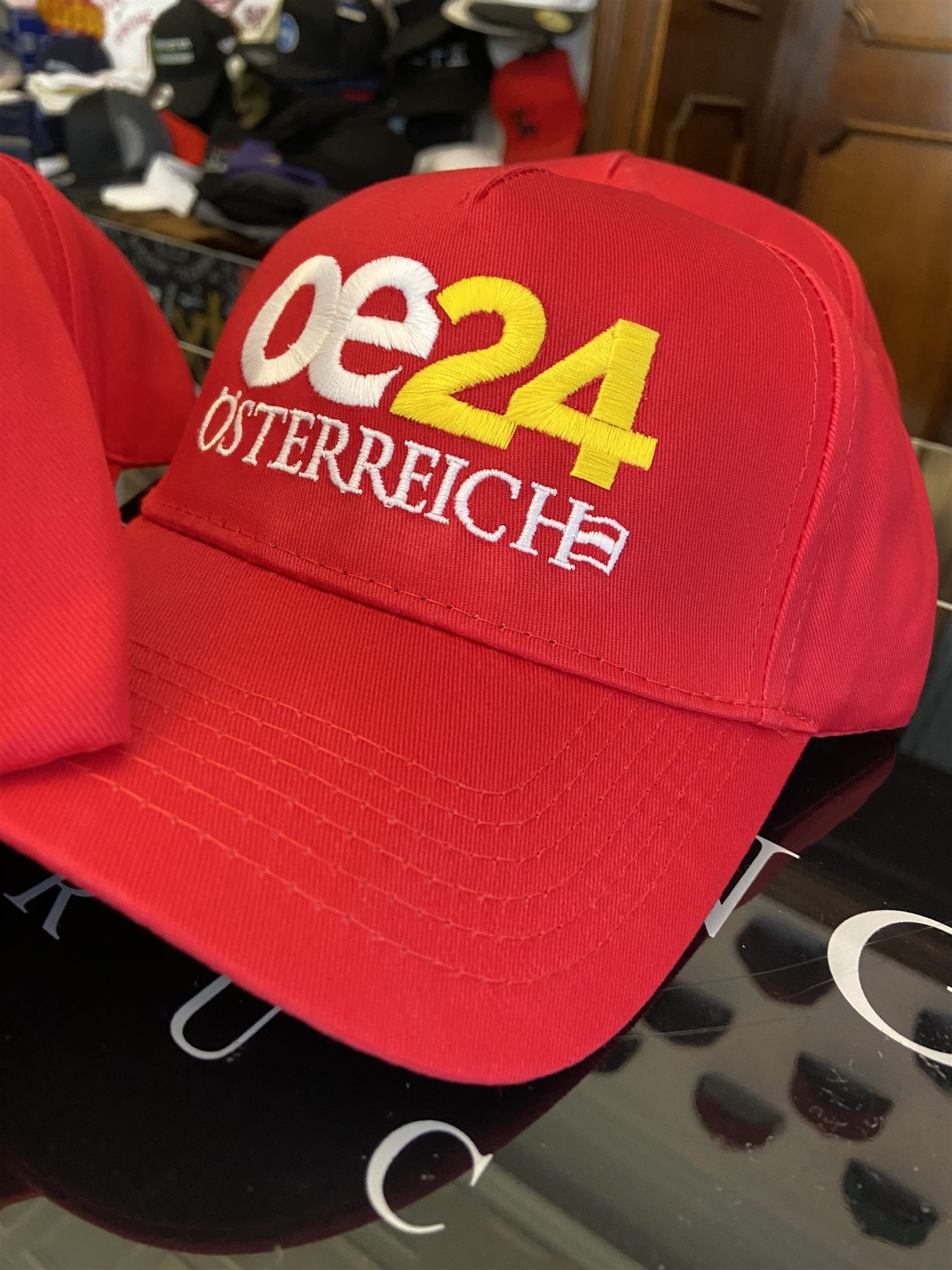
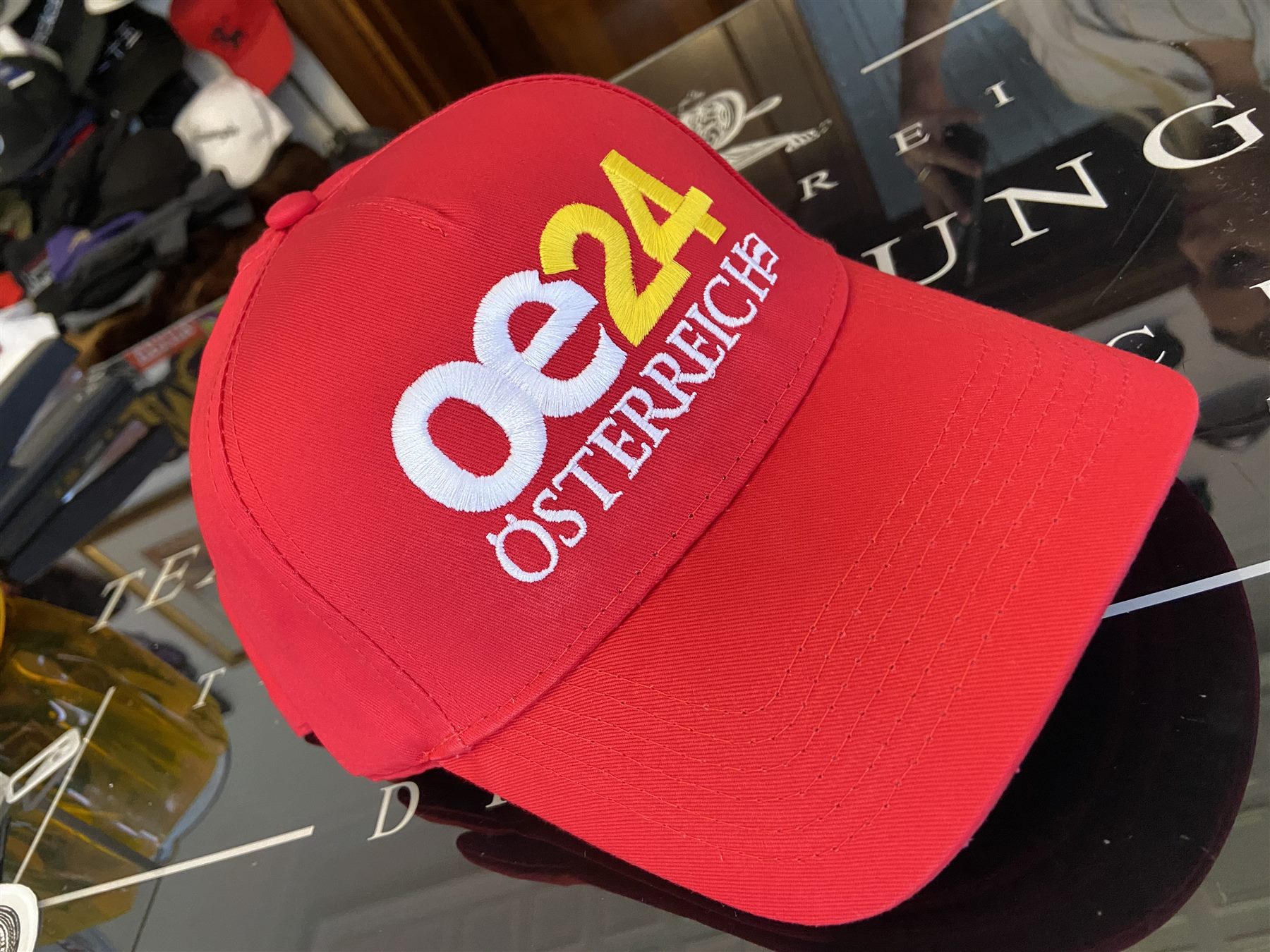
Red promotional caps hanging on a rack in the workshop, the front cap embroidered with a yellow and white logo.
Finished promotional caps on the rack after embroidery.

Garment groups

Common types of order

These groups overlap and many orders combine several of them. Availability of specific garments is confirmed individually with you.

Work and trade clothing

Jackets, softshells, work shirts, polos and trousers used daily on site or in a workshop. Because these garments are washed often, placement and stitch density are chosen with everyday use in mind.

Uniforms and service clothing

Clothing worn by staff who meet customers. Here consistency matters most: the same mark, in the same position, across different garment types and sizes.

Hospitality clothing

Aprons, shirts, blouses and jackets for restaurants, cafes and hotels. Front of house and kitchen garments often need different placements, so it helps to list them separately.

Clubs and team apparel

Training tops, hoodies, jackets and polos for clubs and teams, with a crest and, if wanted, individual names or numbers. A name list can be added to the order as a simple table.

Order details

Typical points in a workwear enquiry

Garment types
Which items are planned, or that the selection is still open.
Quantity
Total pieces and sizes, as far as they are already known.
Marking
Logo only, or logo with names, roles or numbers.
Handover
Collection or shipping as individually arranged.

Practical notes

What to think about before you write

None of this needs to be final. It only makes the first reply more useful.

  • Mixed garments. A logo may need a different size on a cap than on a jacket back. List the garment types you expect.
  • Sizes and names. If individual names are planned, a simple list of name and size per person is the easiest format.
  • Repeat orders. Say if you expect to reorder later, so the setup can be kept consistent for the next round.
  • Own garments. If you want to supply clothing yourself, describe it first. Suitability is reviewed case by case.
How an order runs

Examples

Garments and textiles finished in the workshop

Examples of embroidery and printing produced here. Logos and brand names remain the property of their owners.
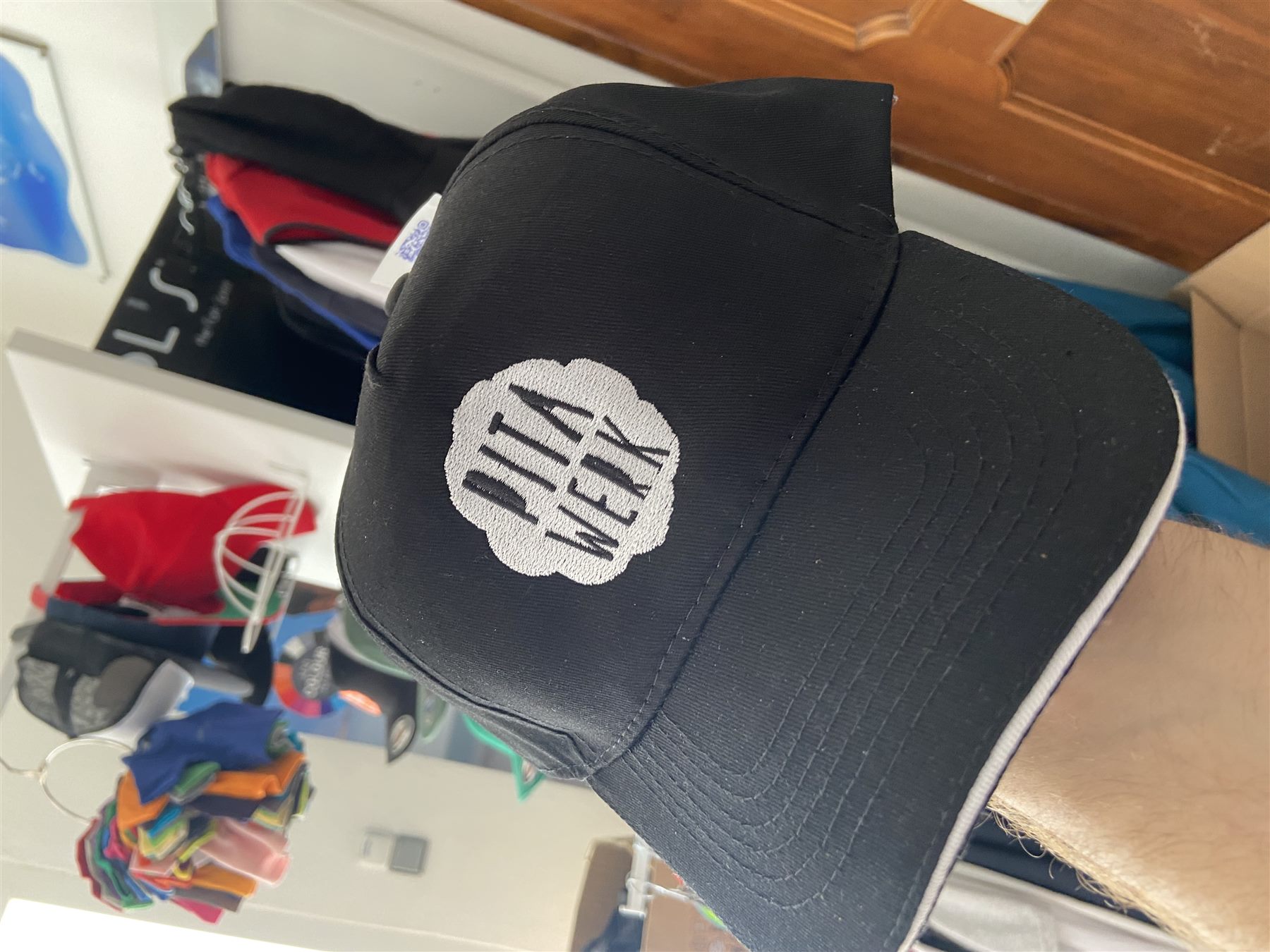
  • Black baseball cap with a round white embroidered logo badge on the front panel, photographed in the workshop.
    Round logo badge embroidered onto the front panel of a black cap.
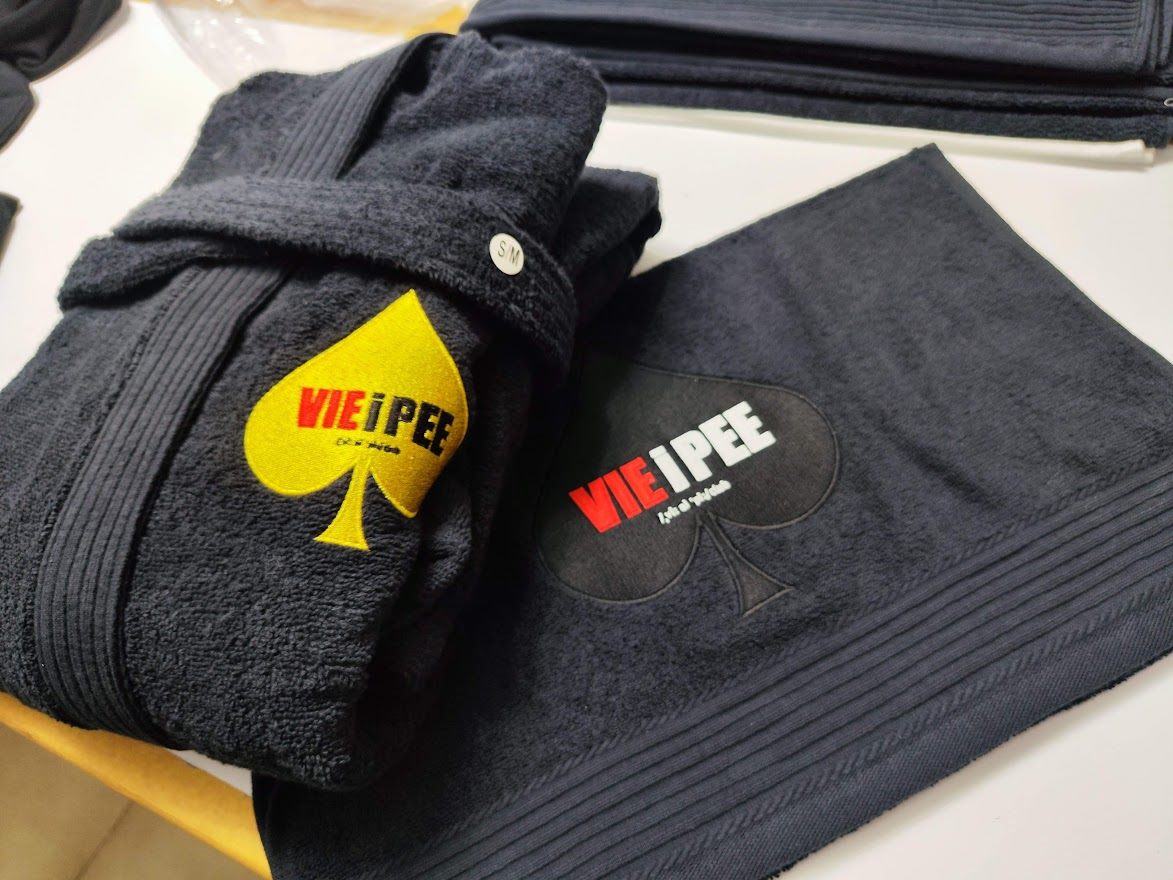
  • Dark bathrobe and folded dark towel, each embroidered with a spade-shaped VIE i PEE logo in yellow and in tonal thread.
    Logo embroidery on towelling: one colour version and one tonal version.
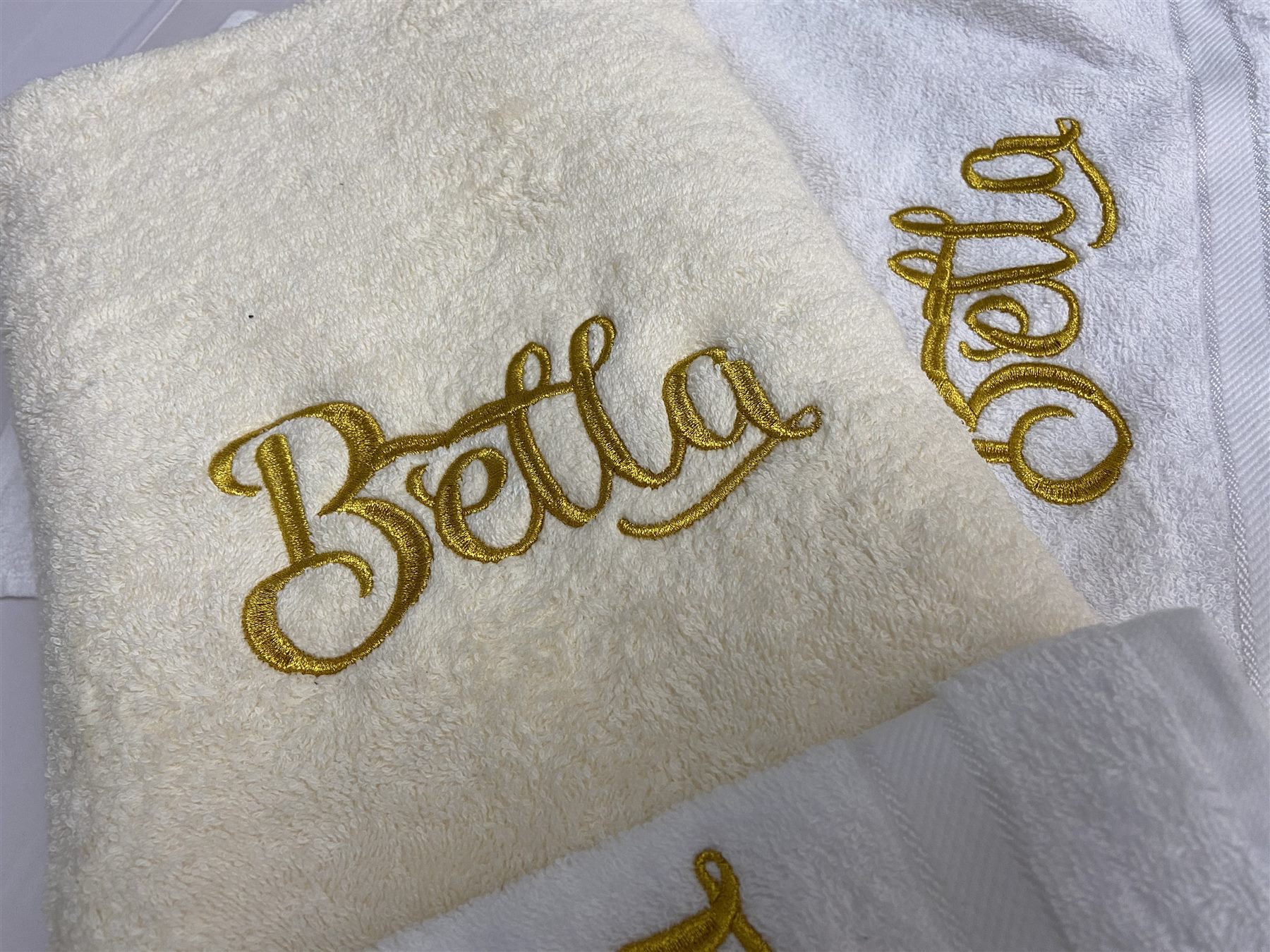
  • Folded cream and white terry towels, each embroidered with a different first name in gold script lettering.
    Personalised towels with individual names in gold script.
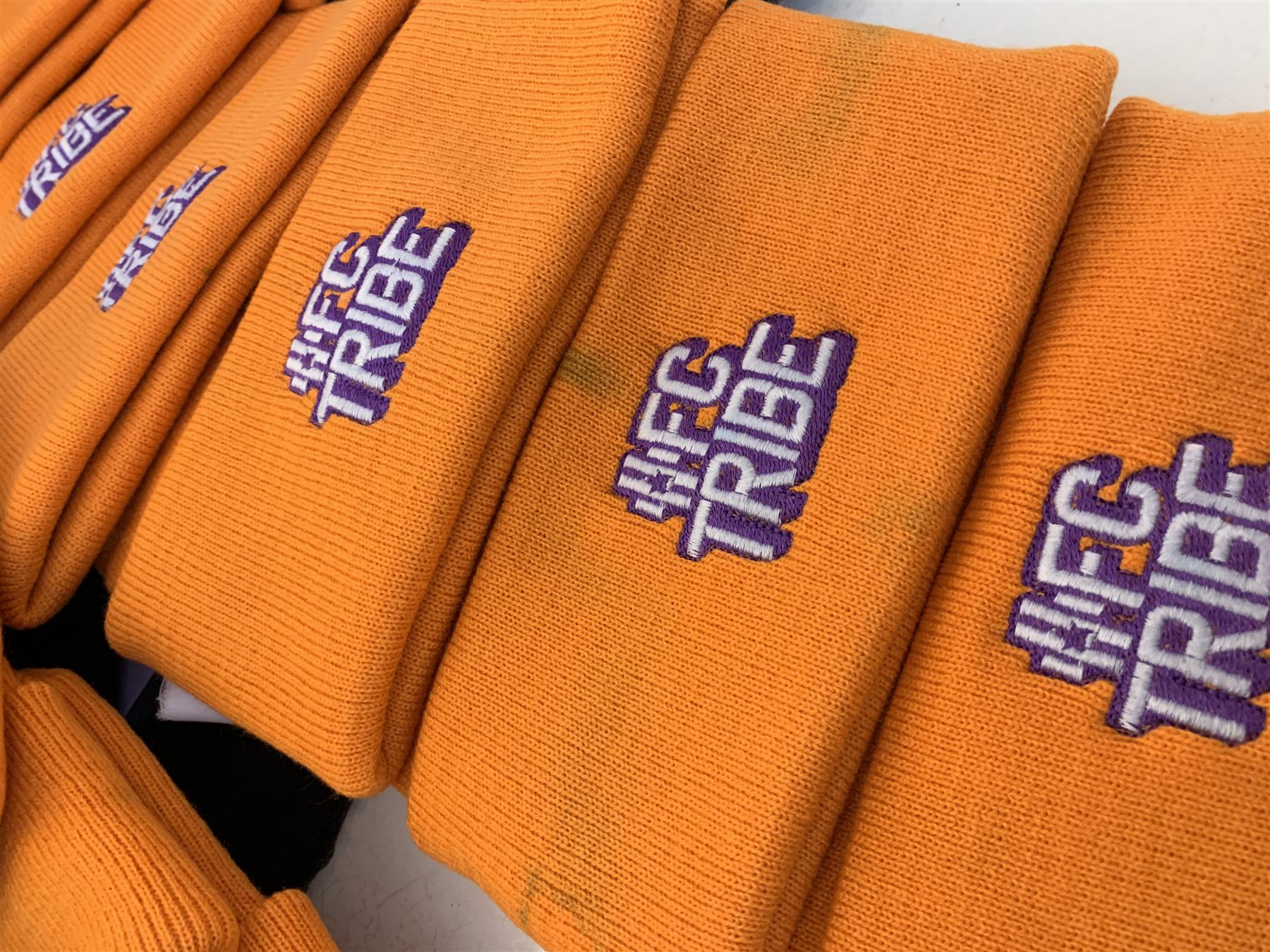
  • Row of folded orange knitted beanies, each embroidered with the same purple and white FC Tribe logo on the turn-up.
    Knitted beanies from one team order, each with the same embroidered club logo.
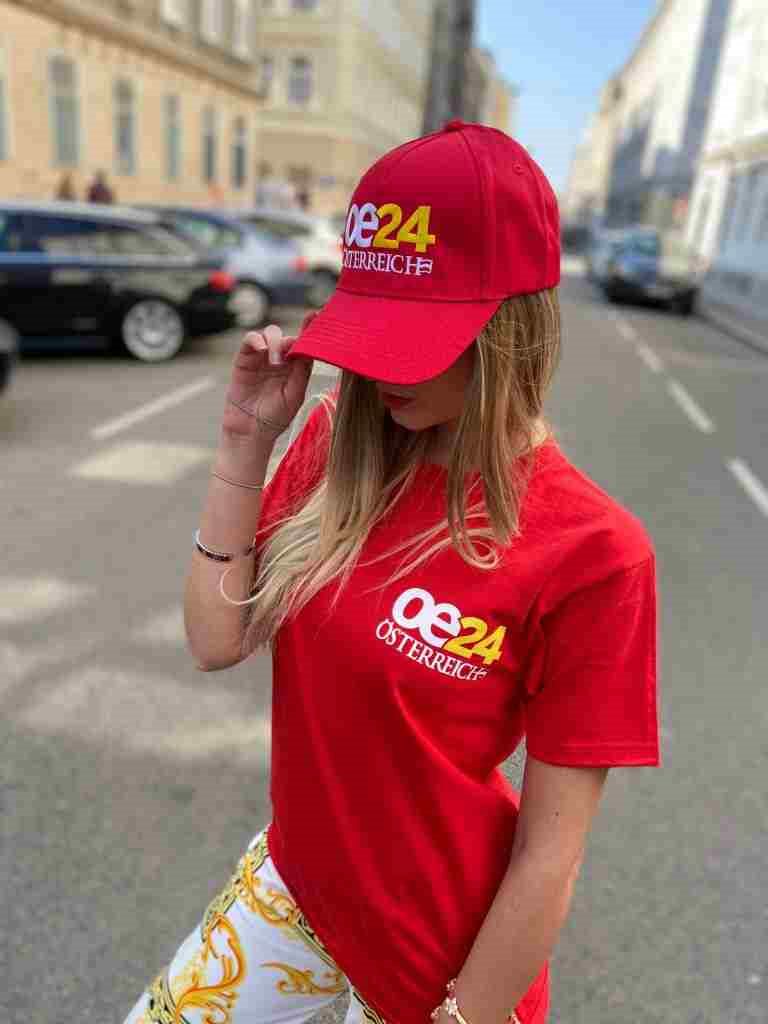
  • Woman on a Vienna street wearing a red cap and a red t-shirt, both carrying the same embroidered oe24 Österreich logo.
    Matching cap and shirt finished with the same logo for a promotional set.
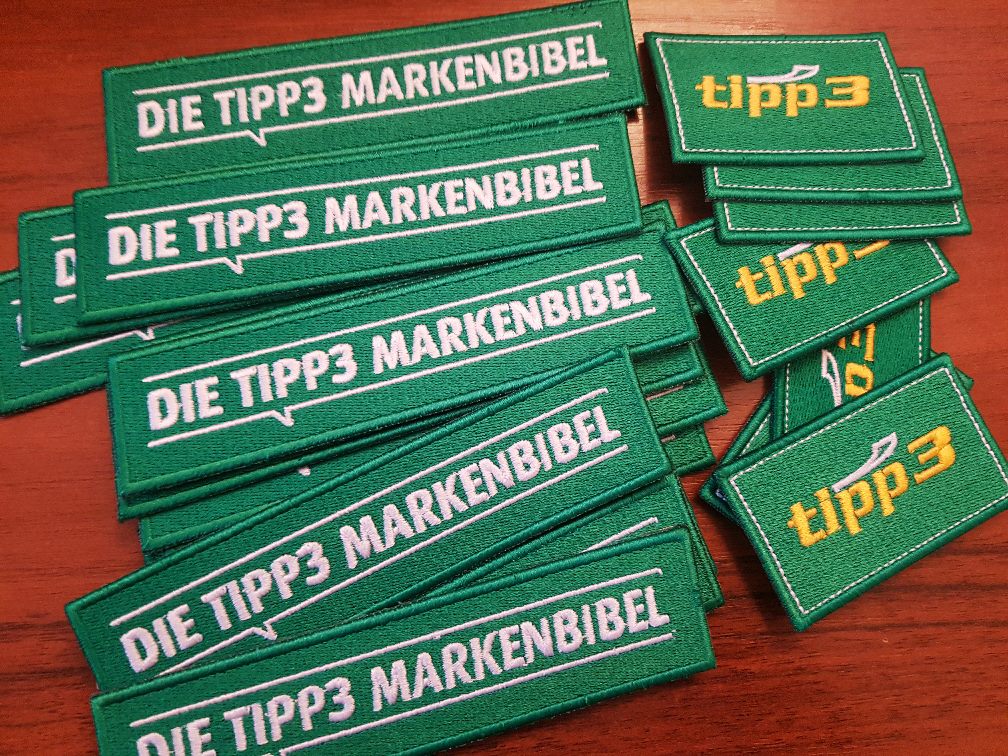
  • Stacks of green fully embroidered patches in two sizes, with white and yellow lettering, spread on a wooden table.
    A batch of fully embroidered patches in two sizes from one order.
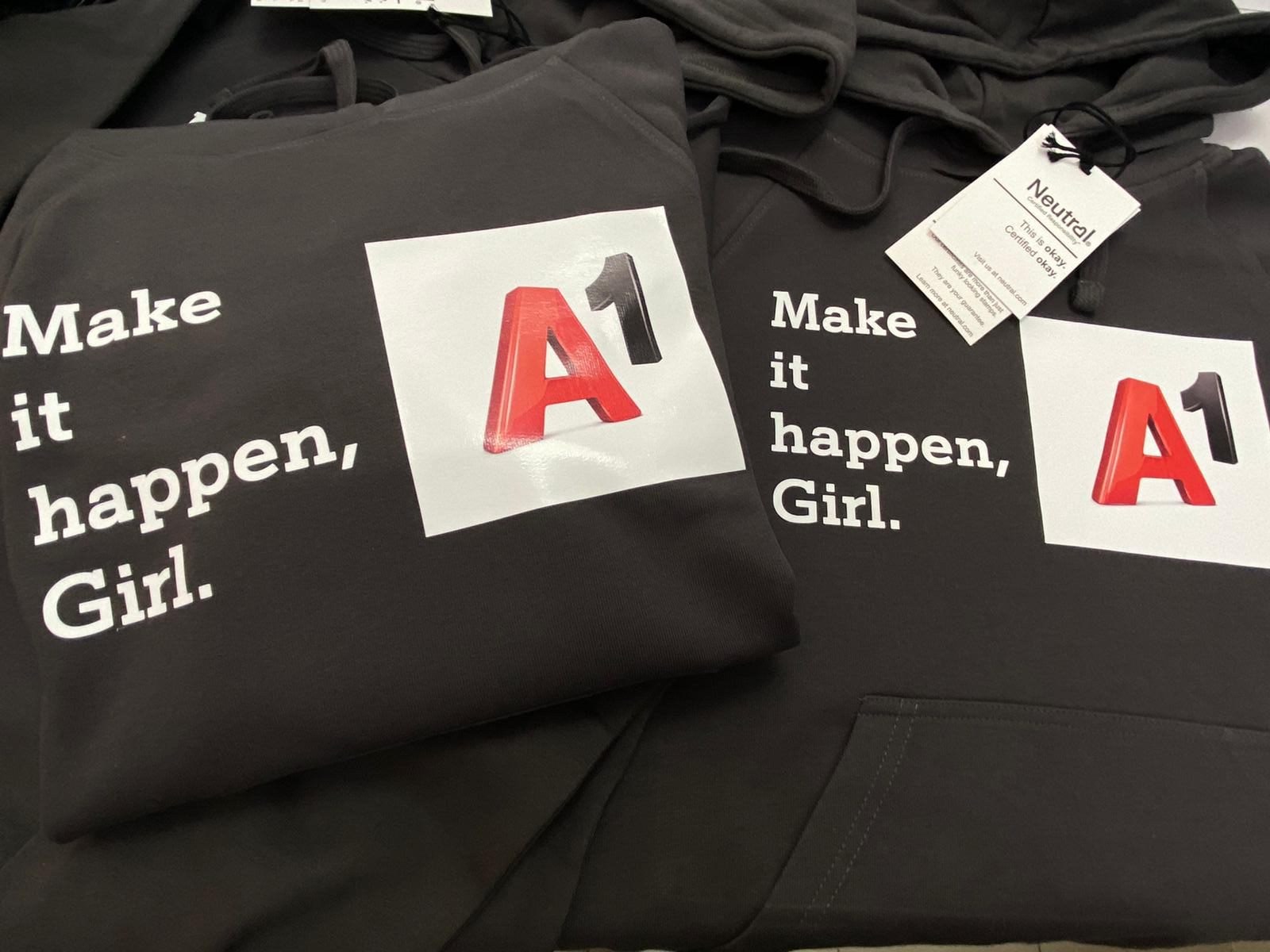
  • Folded black hooded sweatshirts with a white printed slogan and a printed square logo, still carrying their garment tags.
    Printed garments prepared alongside embroidery for the same customer.

Describe your garments by email

Include the garment types, the quantity, the logo file and your deadline. Anything still open can be clarified in the reply.

Email office@embroidery.at